Meet the Meteorologist
What's your favorite weather phenomena?
What got you interested in the weather?
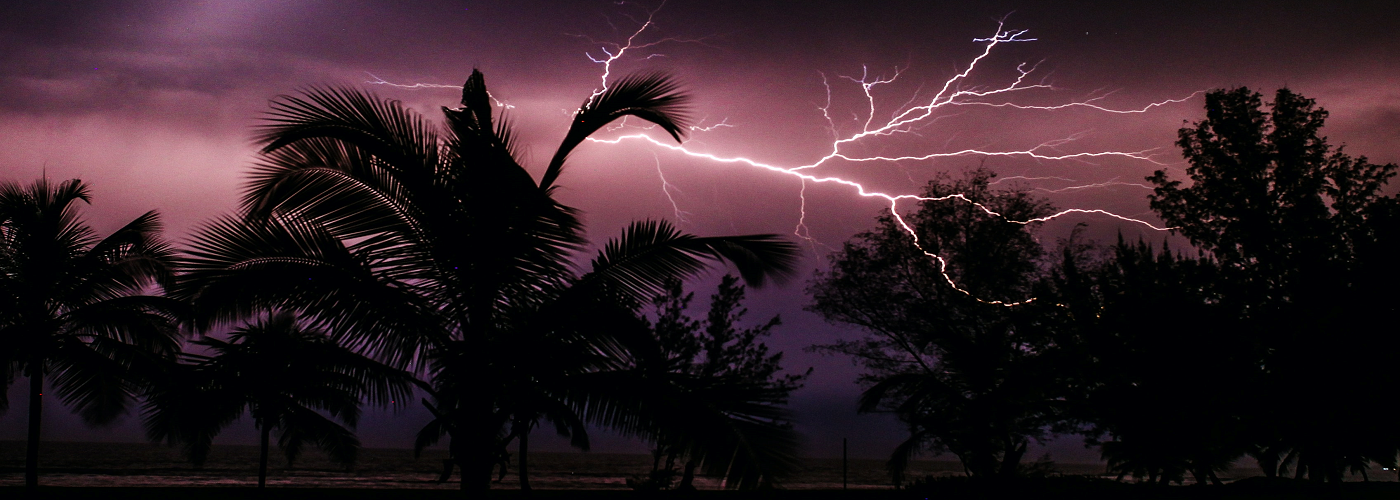

In the summer of 2024, Penn State researchers drove down the East Coast in a modified minivan equipped with a custom weather instrument, hoping to capture a phenomenon long suspected in forests but never confirmed in nature: corona discharge. The team was searching for faint electrical glows that can appear at the tips of leaves when thunderstorms create strong electric fields around trees.
Florida, with its frequent summer storms, seemed like the ideal place to look. After weeks of chasing storms that fizzled too quickly, the researchers found their opportunity farther north in North Carolina, where a long-lasting thunderstorm passed over a sweetgum tree near the University of North Carolina at Pembroke. Using their Corona Observing Telescope System, they recorded corona discharges on that tree and later on a nearby loblolly pine. It was the first confirmed detection of corona discharge in the natural world.
The discovery matters because corona may do more than create a faint glow. The ultraviolet light it produces can help form hydroxyl radicals, which are important atmospheric cleaners that break down pollutants, including methane. Previous lab studies had already suggested that tree corona could be a meaningful source of these oxidizing agents, but the field observations now confirm that forests really do generate them during storms.
The researchers recorded hundreds of corona events, each lasting from fractions of a second to several seconds, across multiple storms and tree species. The findings suggest this hidden electrical process may be widespread in forests during thunderstorms, with possible implications for tree health, air chemistry, and climate processes.
Scientists now want to learn whether corona damages trees, benefits them, or both. Either way, the study shows that forests may interact with the atmosphere in far more electrically active ways than anyone had proven before.
 Paul Trambley
 Derek Heit
 Jennifer Wojcicki
 Laura Lockwood
 Ray Miller