Meet the Meteorologist
What's your favorite weather phenomena?
What got you interested in the weather?


The life cycle of some crops includes weathering the cold and harsher weather of winter and some aspects of winter can be a benefit for crop growth. At the same time, the timing of frosts and snow, seasonally early or late, can impact the delicate balance of the ecosystems.
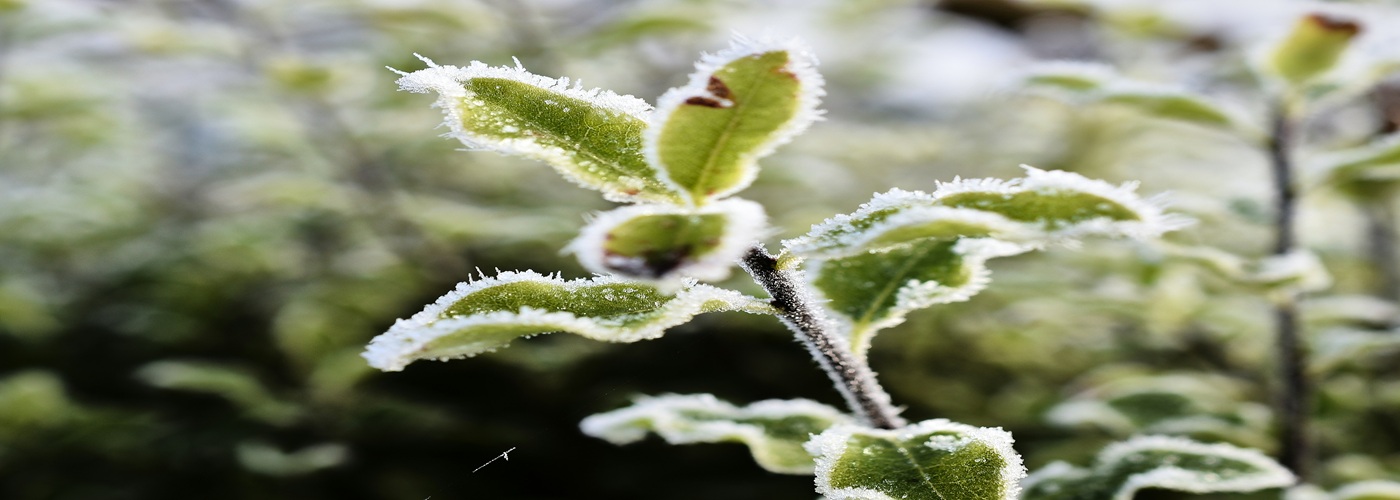
Starting in the garden, many plants can actually withstand a frost and these include many root vegetables. As they grow below the ground, these plants not only tolerate a frost well, but tend to even do well with colder temperatures near freezing. The ground acts as somewhat of an insulation from the variability of air temperatures. It’s even been found that vegetables like parsnips actually become sweeter when exposed to below freezing temperatures. This is due to the cold changing starches to simple sugars.
Cool season crops are also known to thrive as temperatures cool and tend to have longer growing seasons because of this fact.
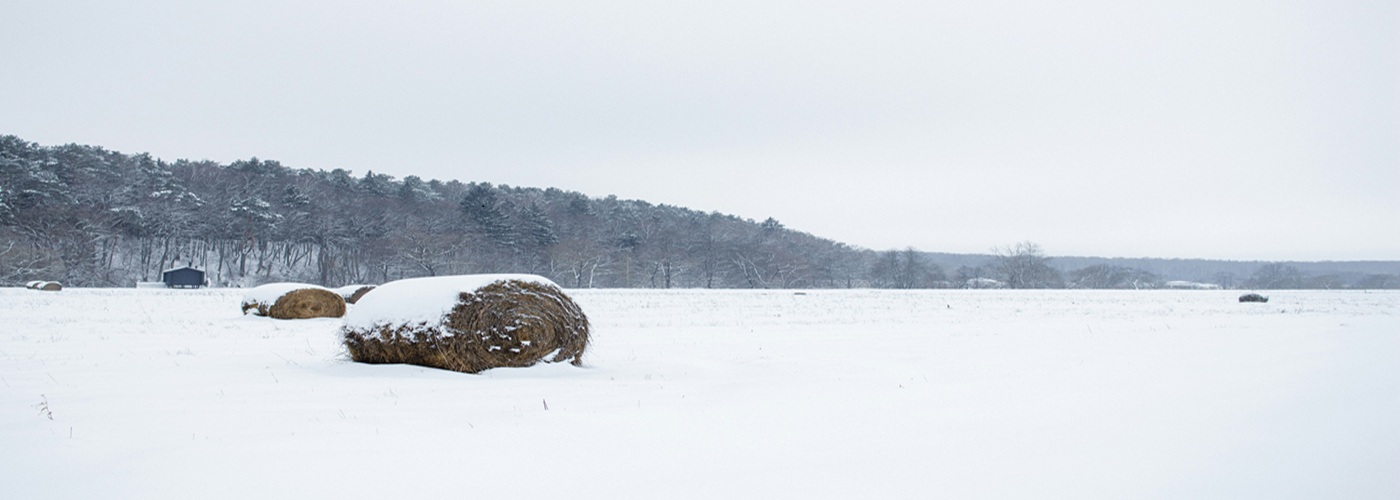
Snow cover can also be a benefit for certain crops. One example of this is how snow cover can help protect winter wheat. When frigid temperatures are forecast, snow covering winter wheat can help to prevent damage to the crop from the bitter cold.
Ecosystems also tend to have a fine balance too where frost can either help to keep the balance in check or can throw the balance off.
Changes in seasonal variability have impacts across agriculture and ecosystems. While frost and snow can benefit certain plants, others are more likely to see damage due to changes on when frost occurs and the amount of snowpack. As scientists continue to study the balance in nature’s ecosystems, we know that even small changes can impact that balance. Knowing more about the ripple effect of these changes can only help producers protect their crops, yields and livelihoods.




 Paul Trambley
 Derek Heit
 Jennifer Wojcicki
 Laura Lockwood
 Ray Miller