Meet the Meteorologist
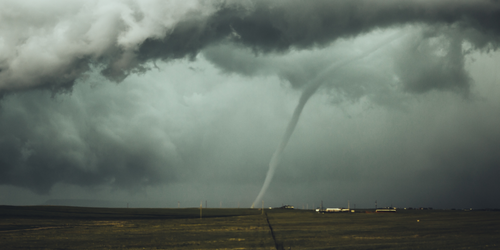
What's your favorite weather phenomena?
What got you interested in the weather?
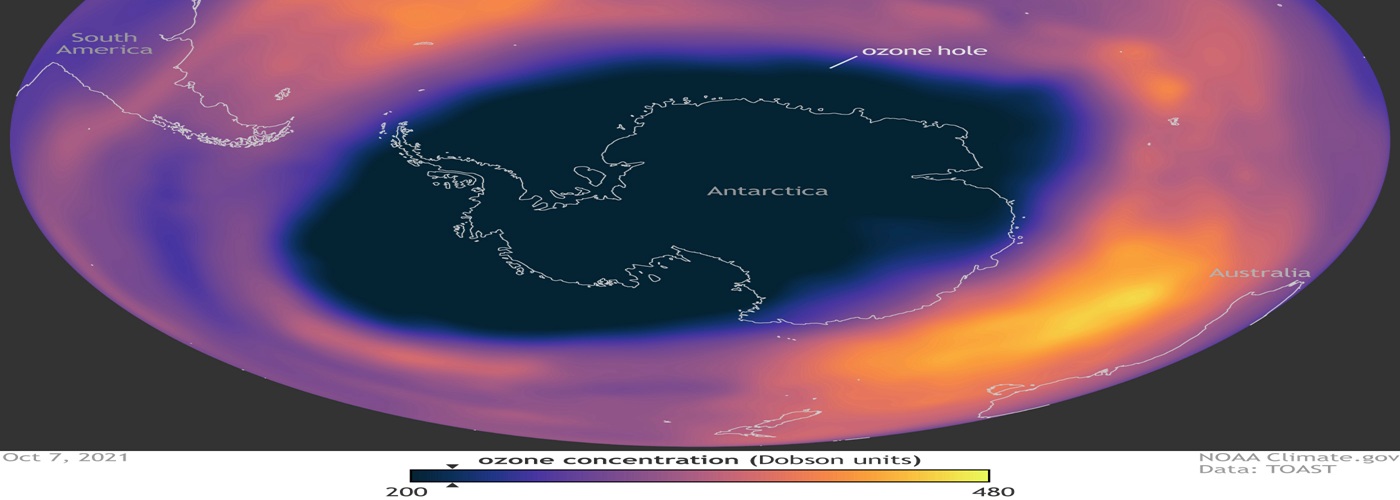

In a mix of good news and bad news, scientists with NOAA and NASA have found that the Antarctic ozone hole had large growth in 2026, but recovery from growth the past decades is still on track.
The ozone hole increased to its seventh largest since measurements began 48 years ago. Scientists say the growth was due in part to a powerful polar vortex this year. They also say the impact would have been worse if international partners hadn’t been making strides to reduce ozone-destroying chemicals.
Between September 7 and October 13, the ozone hole measured at an average of 9.6 million square miles. The largest measurement came on September 18 with a recorded 10.5 million square miles. To put this in perspective, the largest ozone hole ever recorded was 11 million square miles and occurred in 2000.
Scientists noted that the numbers would have been worse if the same circumstances had happened in 2000 when ozone-depleting compounds were at their peak. They estimate the hole would have been 1 to 2 million square miles larger if that was the case.
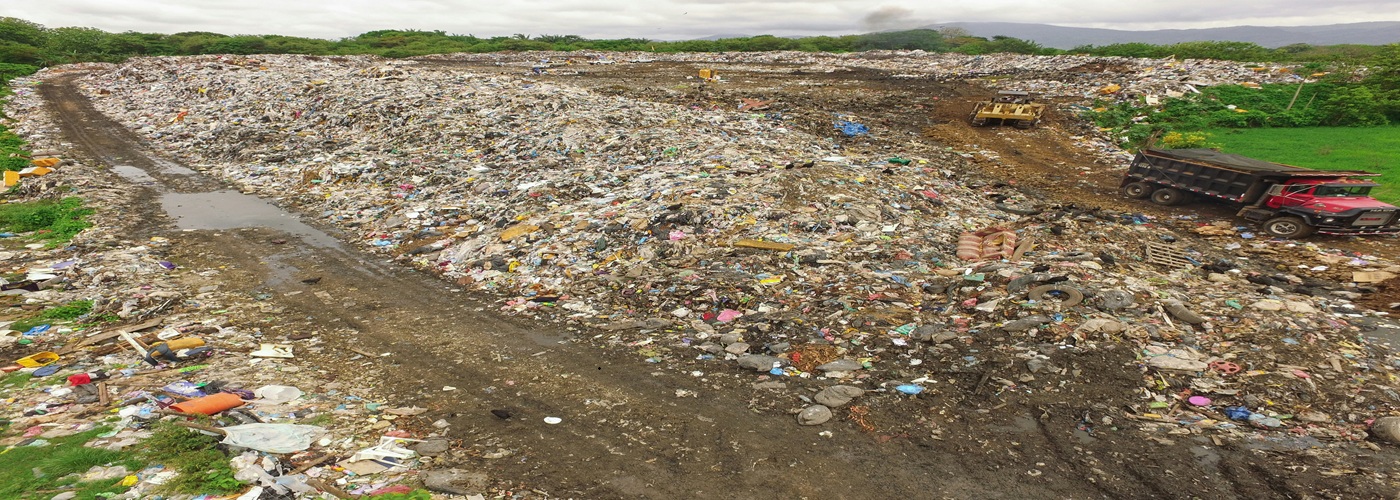
One of the most common compounds that impact the ozone hole is Chlorofluorocarbons. These were used widely for quite some time in refrigerators, air conditioners, and building insulation. It was found that the compound would leak from old products and out of landfills for decades. As scientists look ahead, they believe if progress continues as it is now, the ozone hole should recover by 2070.


 Paul Trambley
 Derek Heit
 Jennifer Wojcicki
 Laura Lockwood
 Ray Miller