Meet the Meteorologist
What's your favorite weather phenomena?
What got you interested in the weather?
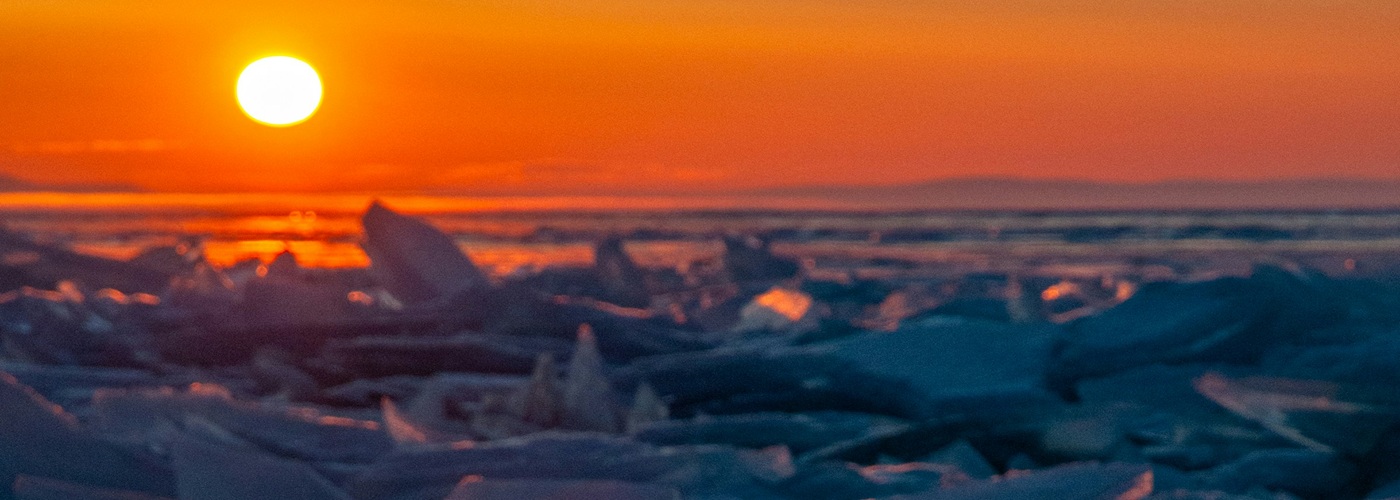

Antarctica is often held up as the
world’s last wilderness: a remote, wind-blasted continent where
human footprints and modern pollutants seem unlikely to reach. A new study, however, led from the University of Kentucky has demonstrated
that Belgica antarctica, the tiny, rice-grain-sized midge that
is Antarctica’s only insect species native to the continent, is
already ingesting microplastic particles.
In this latest
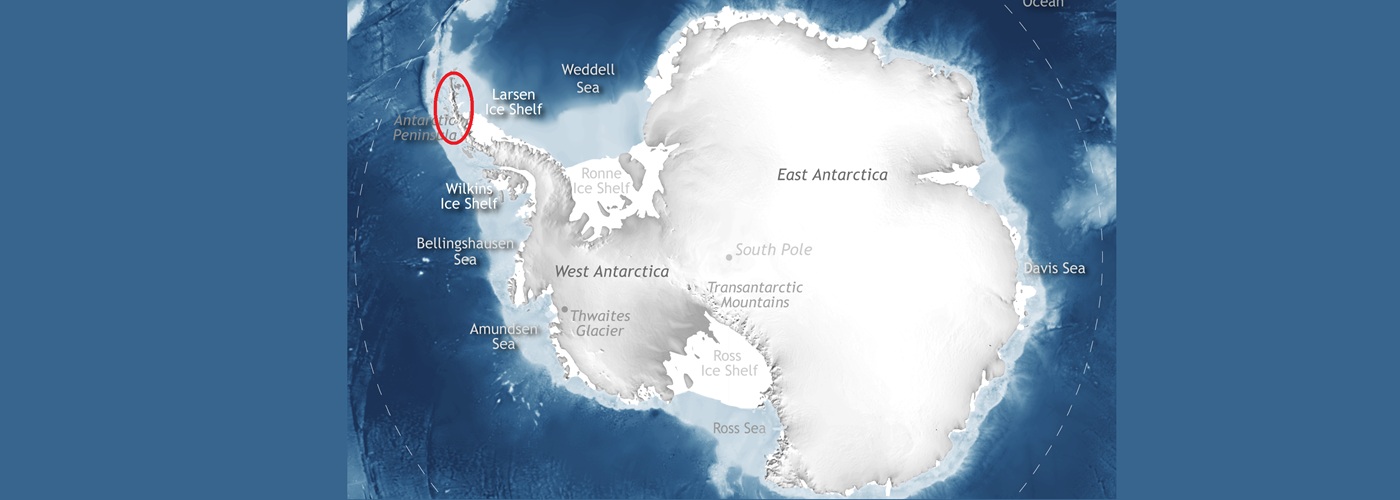
study, which combined lab trials and field sampling along the western
Antarctic Peninsula, researchers provide the first confirmation of
plastic fragments inside wild-caught midges and the first evidence
that exposure can alter insect energy stores.
In laboratory exposures, larvae survived short-term contact with
microplastics and showed no immediate metabolic collapse, yet
biochemical tests revealed reduced fat reserves in individuals given
higher plastic doses. Because Antarctic larvae rely on lipids for
overwinter survival and develop over roughly two years, depleted fat
stores, even without immediately killing an individual organism,
could undermine fitness over longer timescales. The controlled
experiment lasted ten days, so longer multi-stressor trials that
better reflect cold, slow feeding and complex soil conditions will
need to be done.
Field work on 20 sites across 13 islands recovered larvae whose
gut contents were examined with advanced micro-imaging and chemical
fingerprinting down to ~4 micrometers. Two microplastic fragments
were identified in 40 larvae. While few in absolute number this still
presents proof that plastics have penetrated Antarctic soil
communities. Plastics likely arrive via ocean currents, wind, and
human activity linked to ships and research stations.
The study frames Antarctica as a sentinel system: simple
terrestrial food webs make it possible to detect early signals of
pollution that might be masked elsewhere. The findings of this study
do not indicate immediate ecological collapse, but they do mark a new
baseline that even in Earth’s remotest soils, human-made particles
have arrived and are beginning to affect the physiology of
foundational species.
 Paul Trambley
 Derek Heit
 Jennifer Wojcicki
 Laura Lockwood
 Ray Miller