Meet the Meteorologist
What's your favorite weather phenomena?
What got you interested in the weather?
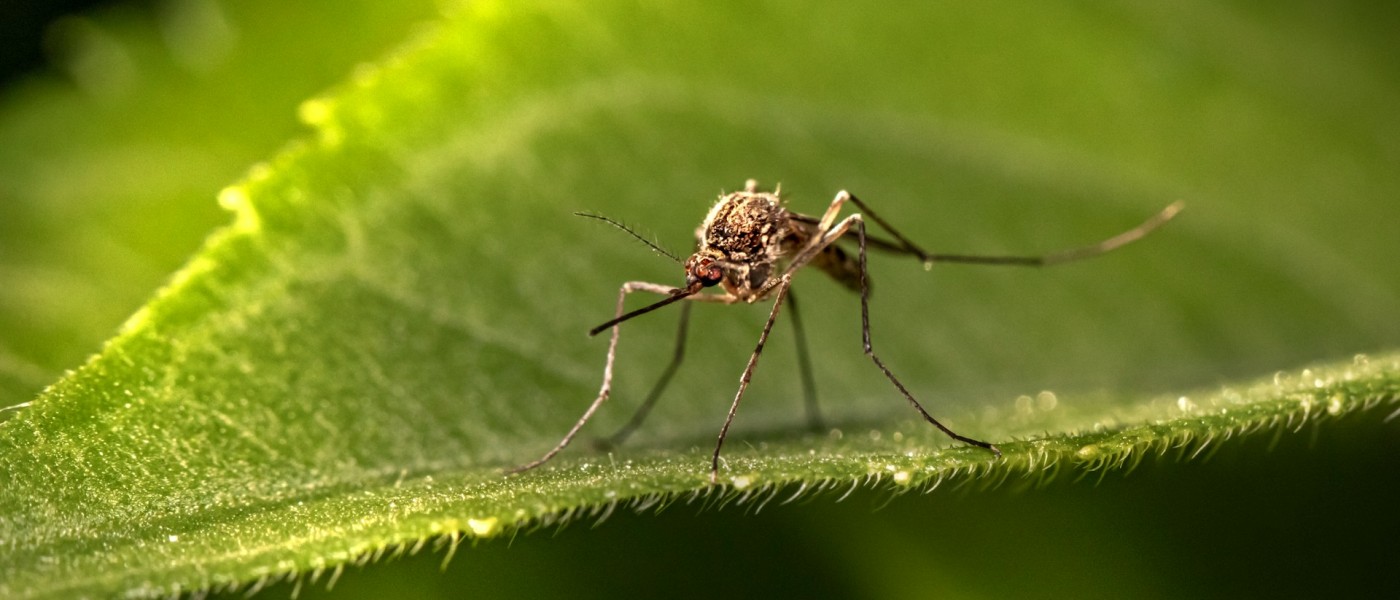

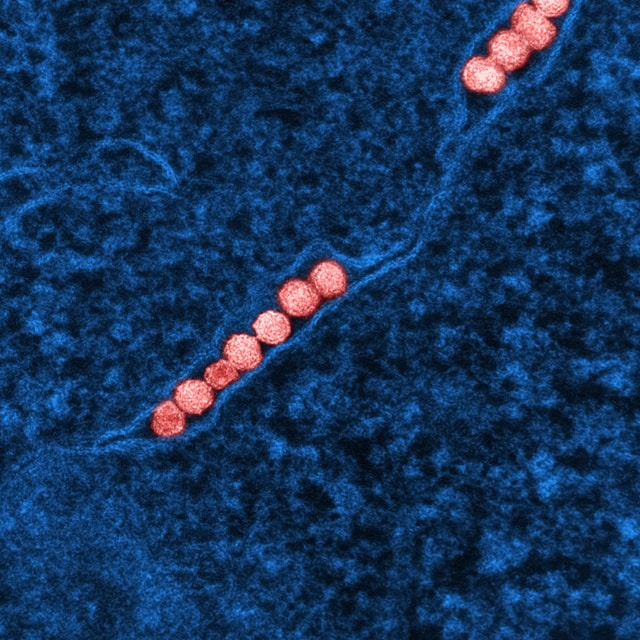
New research from NOAA now utilizes weather data in hopes to improve West Nile Virus forecasting.
NOAA says this is the first of its kind since the first cases of West Nile were detected in 1999.
The most common and deadliest mosquito-borne disease has caused over 30,000 cases and 3,000 deaths just in the U.S. since that time.
The new research aims to identify where seasonal outbreaks may occur by using historical weather data.
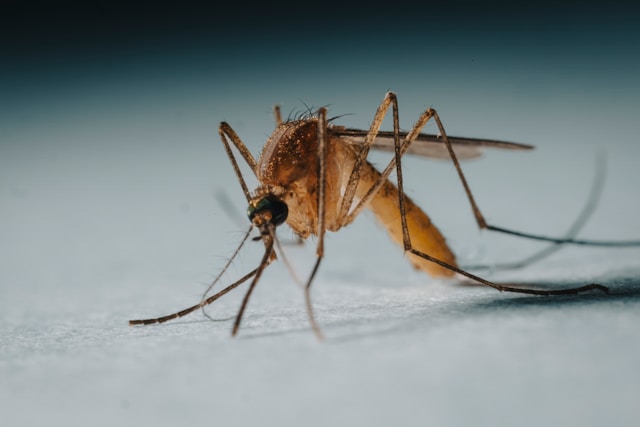
The association is between weather and West Nile Virus cases proved to be complex. For example, scientists found that precipitation allowed better circumstances for Culex mosquitoes (those found to carry West Nile Virus) to breed, but too heavy of precipitation would wash out the breeding grounds.
When looking at past years’ data, they found that statistically moisture and temperature were the most important factors when it came to varying cases of West Nile Virus. Scientists used six different variables related to moisture and temperature to attempt to find statistical correlations between the variables and prevalence of the virus.
Knowing this now, researchers hope to use it as a step forward to create nationwide forecasts. These forecasts would be especially helpful for public health agencies.




 Paul Trambley
 Derek Heit
 Jennifer Wojcicki
 Laura Lockwood
 Ray Miller