Meet the Meteorologist
What's your favorite weather phenomena?
What got you interested in the weather?
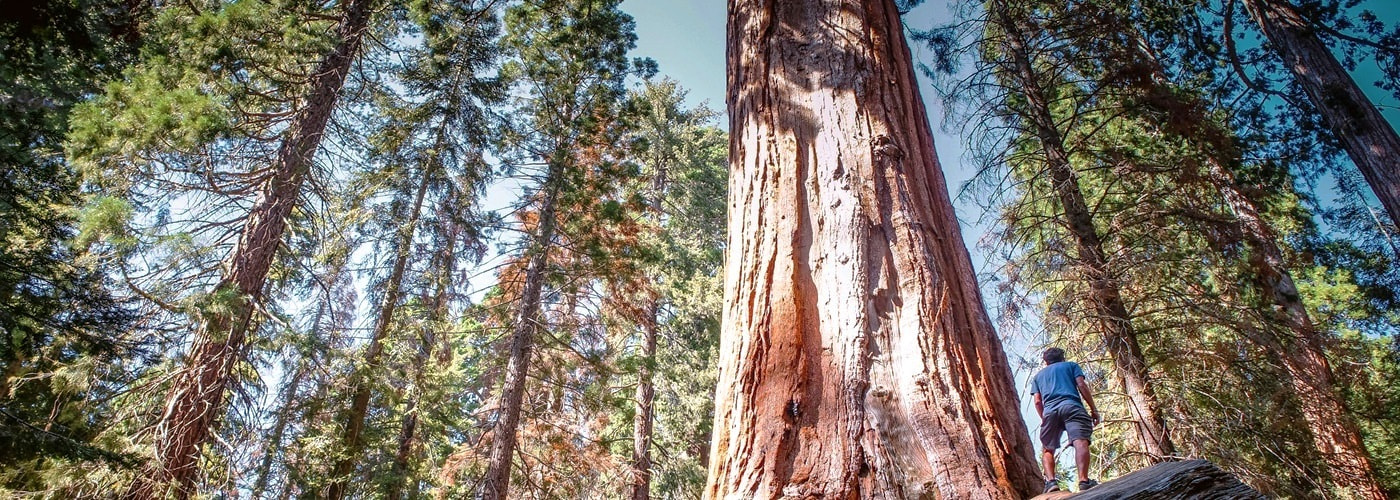

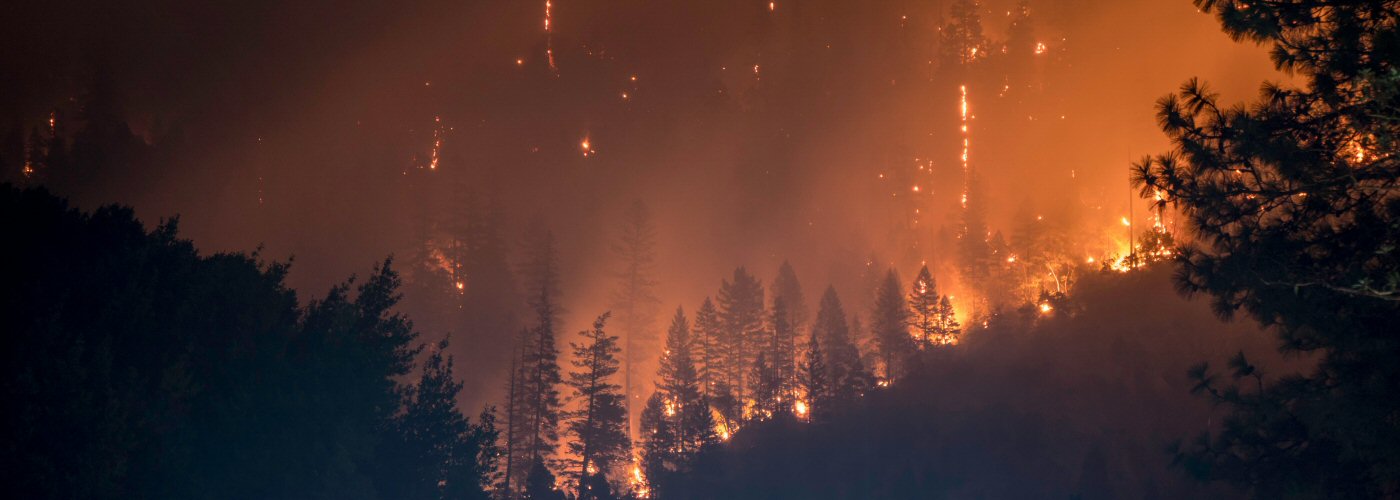
Giant sequoias are some of the largest and longest-living organisms on Earth, with some surviving for more than 3,000 years. Yet the extreme wildfires that swept through California's Sierra Nevada in 2020 and 2021 killed thousands of these ancient trees, raising concerns about whether even fire-adapted sequoias can withstand increasingly intense wildfires.
A 2026 study from the University of California, Davis, published in Nature Communications, has found that prescribed burns can dramatically improve their chances of survival. Researchers examined about 26,400 giant sequoias across 19 groves affected by the Castle Fire and KNP Complex Fire, comparing areas with different histories of controlled burning.
The results showed that sequoias exposed to prescribed fire within the previous 10 years were nearly four times more likely to survive. Researchers estimated that prescribed burns reduced the likelihood of individual trees dying by about 77% and may have prevented approximately 1,900 sequoia deaths during the two wildfires.
Giant sequoias evolved alongside frequent, low-intensity fires, which clear dead vegetation and other fuels from forests while helping young trees become established. However, decades of fire suppression have allowed combustible material to accumulate, creating conditions for hotter and more destructive wildfires.
Climate change is adding to the threat by increasing drought and extreme fire conditions. The findings suggest that prescribed burning can help restore the natural role of fire while reducing the fuel available to major wildfires, potentially giving ancient giant sequoias a better chance of surviving an increasingly hostile climate future.

 Paul Trambley
 Derek Heit
 Jennifer Wojcicki
 Laura Lockwood
 Ray Miller