Meet the Meteorologist
What's your favorite weather phenomena?
What got you interested in the weather?
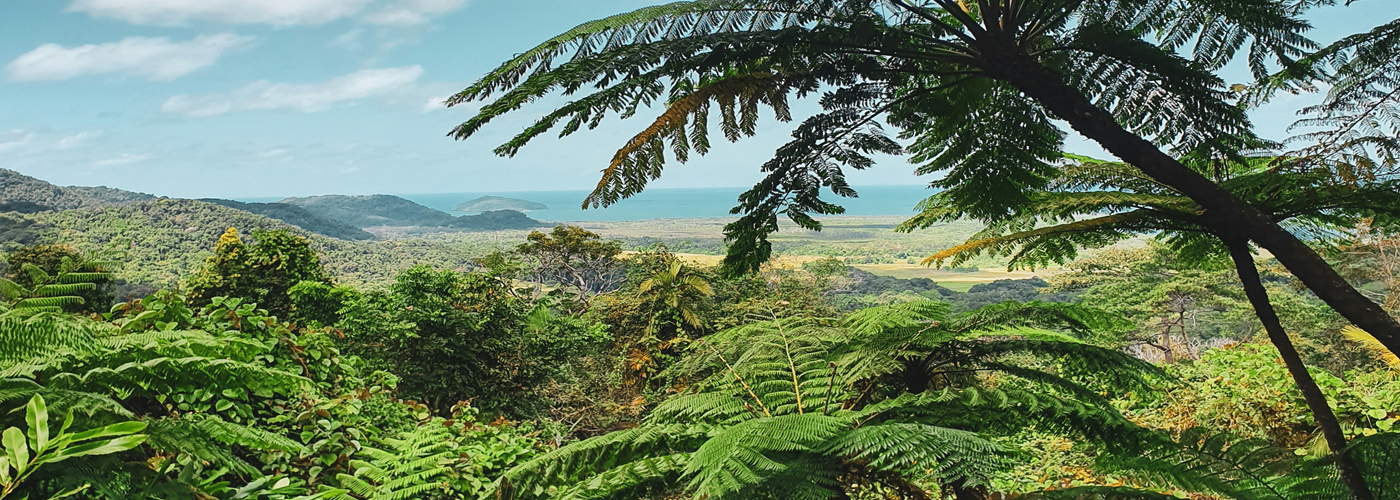

Old-growth forests are often viewed as static ecosystems, their largest trees having long since reached biological maturity. Recent research suggests that assumption is wrong for the Amazon. Even the oldest and largest trees across the basin are continuing to grow and absorb carbon dioxide, albeit slowly, revealing a complex and fragile form of resilience in the world’s largest rainforest.
Researchers analyzed three decades of detailed tree measurements from 188 undisturbed forest plots spanning nine Amazonian countries. These long-term observations, collected under the Amazon Forest Inventory Network, show that average tree size has increased by about 3.3 percent per decade. The most pronounced growth occurred among very large canopy trees, while smaller understory trees also gained biomass. Medium-sized trees, by contrast, showed little change.
The most likely driver of this growth is rising atmospheric carbon dioxide. Higher CO₂ concentrations allow trees to photosynthesize more efficiently using the same amount of light, effectively acting as a growth stimulant. The data suggest two processes occurring simultaneously: dominant canopy trees gaining further advantage, and smaller shaded trees benefiting from reduced carbon limitation.
Crucially, the study found no evidence that large trees are dying faster. This matters because the largest one percent of Amazon trees store roughly half of the forest’s carbon. Their survival helps explain why the Amazon has continued to function as a carbon sink.
However, the findings should not be interpreted as good news about climate change. Extra carbon may boost growth temporarily, but it also drives warming, drought, and extreme weather. Nutrient shortages in Amazon soils could eventually limit further growth, regardless of CO₂ levels.
The takeaway is not that the Amazon is thriving, but that it is still holding on. Protecting intact, mature forests remains essential, as their carbon storage capacity cannot be replaced on human timescales.

 Paul Trambley
 Derek Heit
 Jennifer Wojcicki
 Laura Lockwood
 Ray Miller