Meet the Meteorologist
What's your favorite weather phenomena?
What got you interested in the weather?
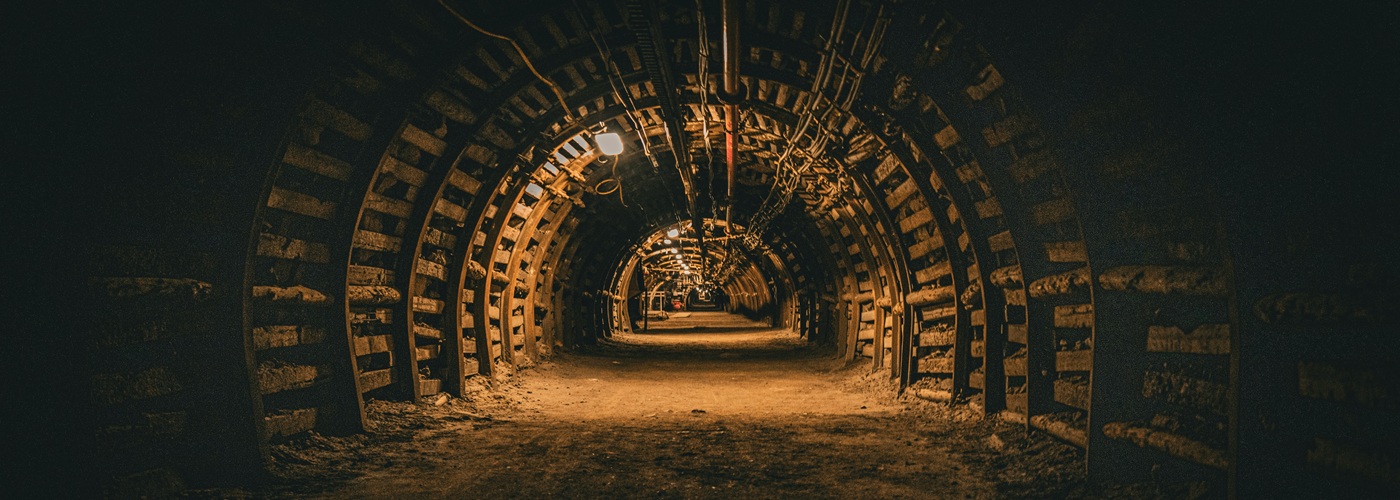

Cumberland, British Columbia is exploring a resourceful reuse for its abandoned coal mines: turning the old underground network into a clean energy system that can heat and cool buildings with geothermal power. Through a partnership with the Accelerating Community Energy Transformation initiative, led by the University of Victoria, the village is studying whether water trapped in the mine shafts and tunnels can support a district energy project.
The idea is simple but promising; water deep underground stays cooler than summer air and warmer than winter air. By using heat pumps, that stable temperature can be tapped to regulate buildings above ground with far lower carbon emissions than conventional heating and cooling. Because the mine network stretches beneath much of the town, it could eventually serve a broad area.
The project represents more than an energy upgrade. It offers a way to connect Cumberland’s coal-mining history with a cleaner future. The village, already known for hiking and mountain biking, could also become a model for climate innovation. Rather than just serving as a reminder of historical extraction, the mines have the potential to evolve in order to support community resilience.
The project began when local discussions about old mine water expanded into a larger question: could these flooded tunnels be used as a geothermal resource? Deep drilling is not practical in Cumberland, but the existing mine system may offer an accessible alternative. Researchers are now examining how much energy it could provide, with early plans focused on municipal buildings, affordable housing, and an industrial area.
If the pilot program succeeds, lower-cost heating and cooling could attract businesses, support jobs, and strengthen the tax base. Just as important, the project shows how a town can turn industrial ruins into a shared community asset.

 Paul Trambley
 Derek Heit
 Jennifer Wojcicki
 Laura Lockwood
 Ray Miller