Meet the Meteorologist
What's your favorite weather phenomena?
What got you interested in the weather?
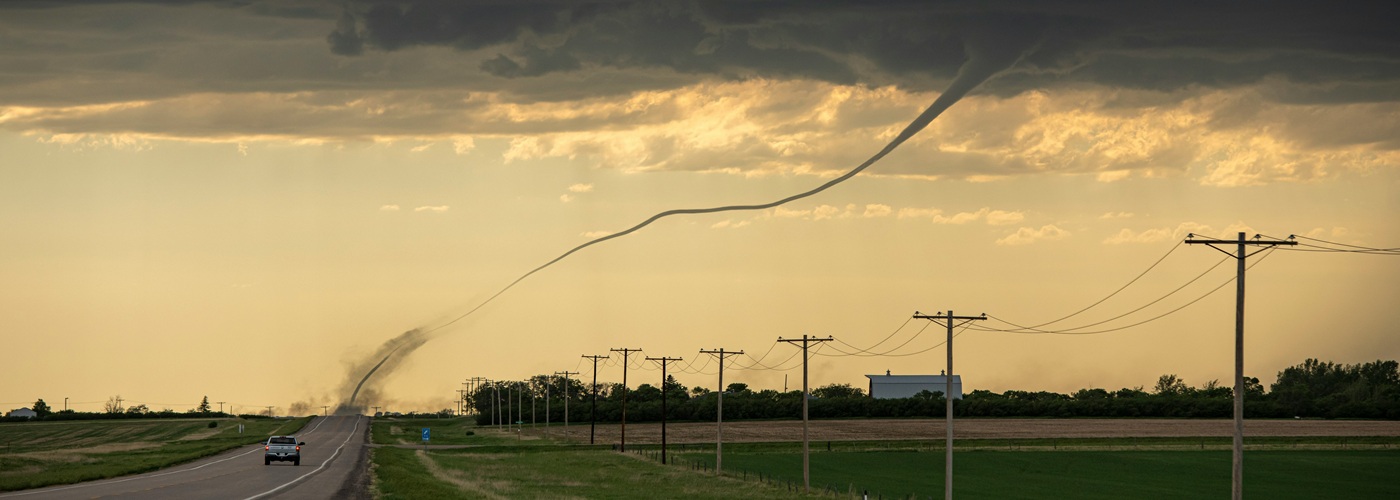

Across the Midwest, warm-season sky watching is a popular pastime, but at Purdue University, researcher Dan Chavas studies tornadoes from a broader perspective. Rather than chasing storms, he uses computer models and historical weather data to investigate why severe thunderstorms and tornadoes form, and why some regions experience far more of them than others.
The central and eastern United States are among the world’s most active areas for severe storms and tornadoes. For decades, scientists believed the Gulf of America (Gulf of Mexico) was a major reason why, since it supplies warm, moist air that flows northward into the Plains. Chavas and his team tested that long-standing theory by virtually replacing the Gulf with land in climate models.
The results were surprising. Severe thunderstorms did not disappear. Instead, storm activity shifted eastward from the Great Plains toward Illinois, while decreasing in southern Texas. The findings suggest the Gulf is important, but not the only factor controlling tornado-conducive weather.
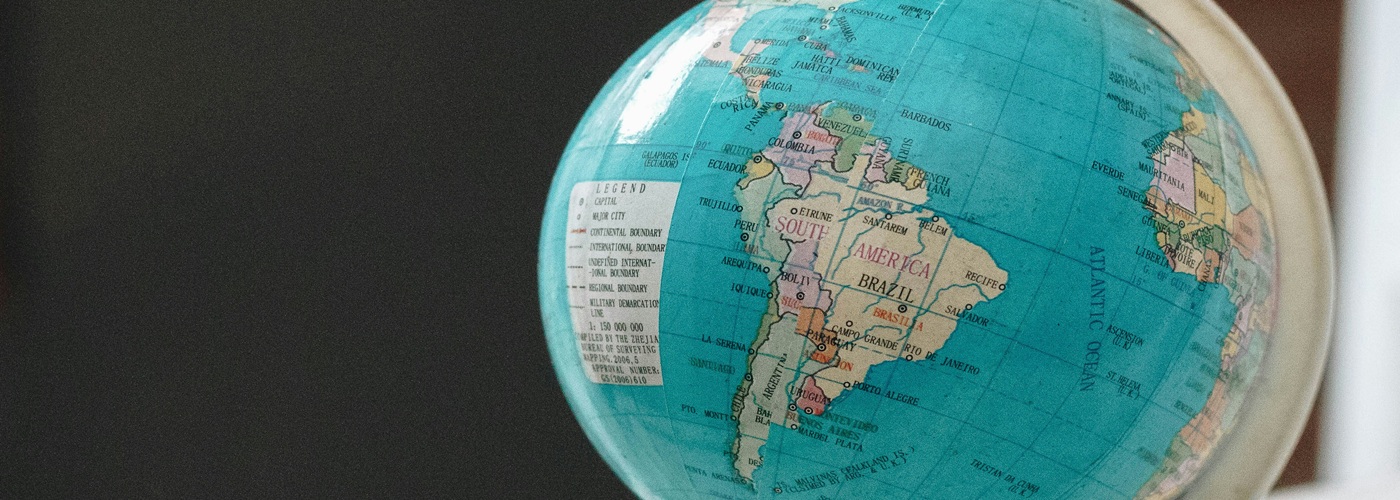
Tornadoes require a precise combination of ingredients, including moisture, instability, and especially wind shear, the change in wind direction and speed with height. Chavas’s more recent research compared North America with South America, which has similar geography and many thunderstorms, but far fewer tornadoes.
The study found that the rougher land surface east of the Andes, shaped partly by hills and the Amazon rainforest, may help suppress tornadoes. Rough terrain slows near-surface winds and reduces low-level wind shear, a critical ingredient for tornado formation. When researchers smoothed South America’s surface in models, tornado potential rose sharply. When they roughened the Gulf region in North America, tornado potential dropped.
The work has important implications for climate change. Rising temperatures are only part of the story. Changes in land use, moisture patterns, and the jet stream could shift where tornadoes form in the future. Some regions may see more tornadoes, while others may see fewer. Understanding today’s storm patterns is essential for predicting tomorrow’s risks.
 Paul Trambley
 Derek Heit
 Jennifer Wojcicki
 Laura Lockwood
 Ray Miller