Meet the Meteorologist
What's your favorite weather phenomena?
What got you interested in the weather?
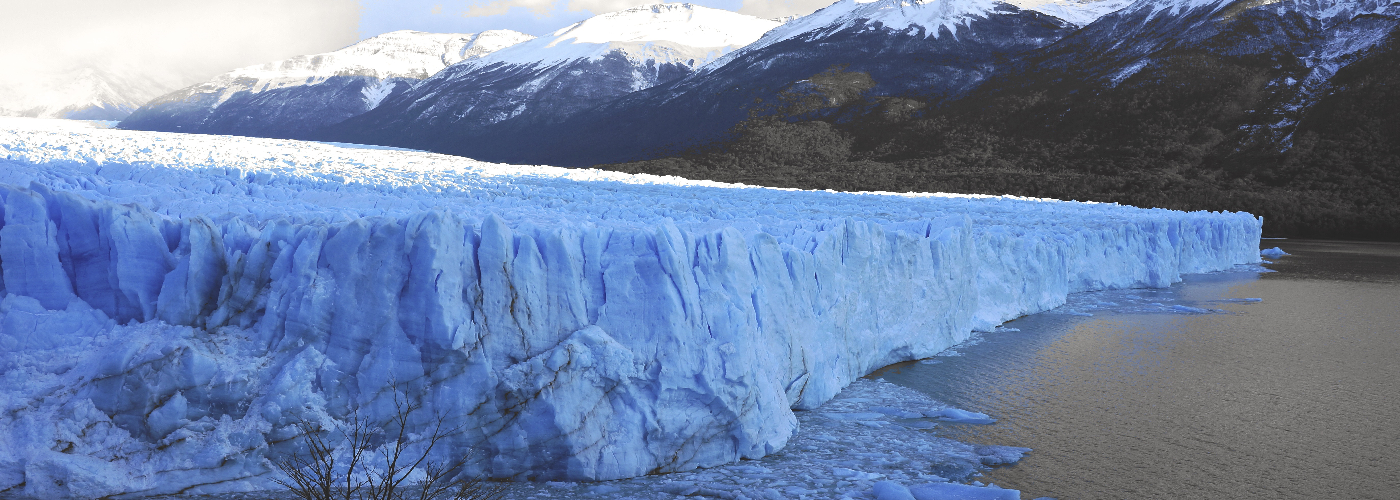

Antarctica became covered by a massive
ice sheet roughly 34 million years ago, millions of years before
permanent ice sheets developed in the Arctic. New research published
in Science suggests the explanation may lie not only in global
cooling, but in a dramatic transformation of Antarctica's
landscape.
After Antarctica and Africa began separating during
the Jurassic Period, deep geological processes gradually lifted large
portions of East Antarctica. Researchers believe slow-moving “mantle
waves” beneath the continent helped raise the terrain, eventually
creating a vast plateau, escarpment, and the Gamburtsev
Mountains.
By about 45 million years ago, large areas had
reached elevations near 1.2 miles (2 km). Because temperatures
decline with altitude, those higher elevations became cold enough for
snow to survive through summer. By roughly 34 million years ago,
nearly half of the Gamburtsev Mountains had risen above that
threshold, allowing glaciers to form and gradually merge into the
East Antarctic Ice Sheet.
The elevated landscape then helped
trigger additional climate feedbacks. Expanding ice and snow
reflected more sunlight back into space, producing further cooling
through the ice-albedo effect. Colder air also holds less water
vapor, weakening the atmosphere's greenhouse effect and allowing
additional heat to escape.
Declining atmospheric carbon
dioxide likely contributed to the broader cooling of the planet, but
the new study suggests it was not enough by itself to explain why
Antarctica froze so much earlier than the Arctic. Higher Antarctic
terrain gave the Southern Hemisphere a crucial geographical
advantage.
The findings demonstrate that major climate
transitions can depend on both atmospheric conditions and geological
change. Earth's interior may first reshape the landscape, creating
the elevation and environmental conditions that allow a seemingly
gradual cooling trend to trigger a much larger and more lasting
transformation.
 Paul Trambley
 Derek Heit
 Jennifer Wojcicki
 Laura Lockwood
 Ray Miller