Meet the Meteorologist
What's your favorite weather phenomena?
What got you interested in the weather?

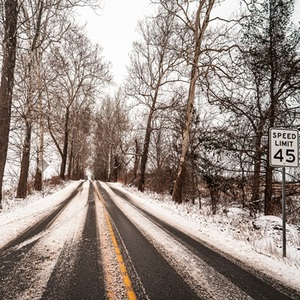
Winter can be a time of picturesque beauty with tranquil, snowy, and ice-covered landscapes presenting a veritable winter wonderland. However, winter can also be tricky, difficult, even sometimes downright dangerous for traveling on the roads. And it's not just the major winter storms producing blizzard-level snow events that can prove deadly to drivers either. Hazards such as black ice, freezing rain, drizzle and fog, as well as the highly varying road conditions experienced on bridges and overpasses make the coldest season of the year one of the more hazardous ones on the roadways.
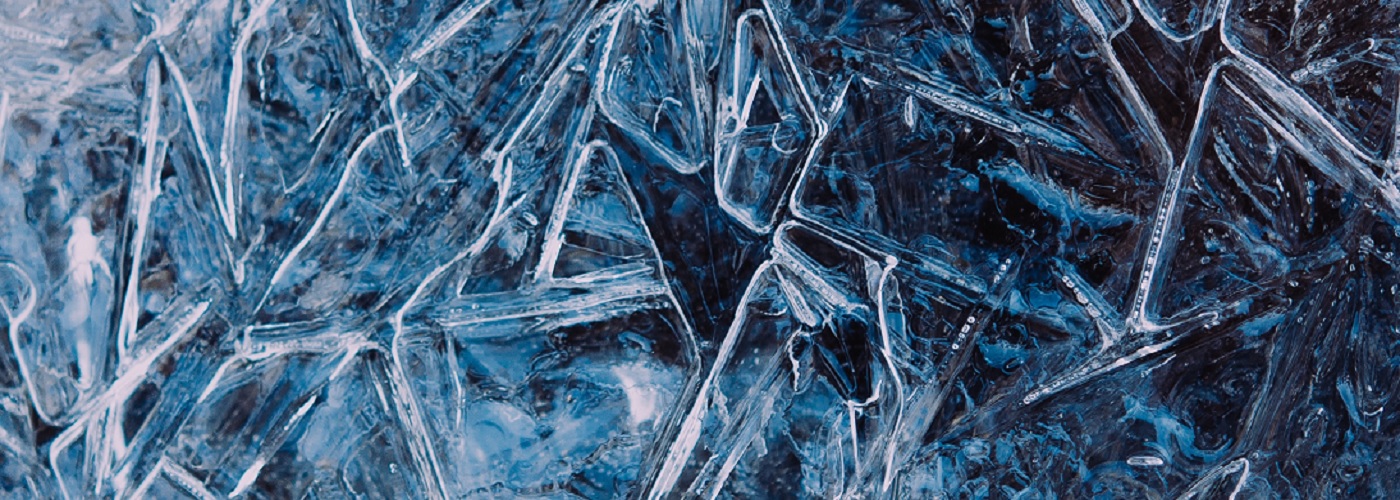
Black ice is any thin, transparent layer of ice on pavement. This transparent quality makes it very difficult or impossible to spot by drivers, thus providing little in the way of reaction time when having to brake or maneuver when driving over such a slippery surface. Black ice can be formed by a variety of precipitation types, such as freezing rain, freezing drizzle, and freezing fog. It can also result from plain rain that has frozen after a drop in temperatures before the rain has had a chance to evaporate off the roads. Patches of black ice can also form after snow has melted and re-frozen on the roads with the diurnal variations in temperature between day and night.
Black ice can result in costly damages to your vehicle, and in some of the worst cases even prove deadly. In order to stay safe, it's first of all important to “know before you go.” Make sure you are aware of the weather and road conditions before you even set out on the roads.
If you are already out on the roads the first safety tip is to decrease your speed, which will increase the time you have to react in the event you lose traction on black ice. Also, increase your stopping distance to 5 seconds or more, which will also increase the time you have to react and give your vehicle a better chance at being able to avoid vehicles up ahead. Furthermore, you should also avoid hard braking on icy roadways as this can cause your tires to lock up and your vehicle to lose traction even faster, leading your vehicle to skid or spin. If your vehicle does begin to skid you want to steer gently in the direction of the skid to regain control and intended heading.
Finally, while they can't prevent a loss of traction in all cases, if you frequently drive in icy conditions consider investing in specially-designed winter tires. These tires feature a type of rubber that is designed to stay more pliable in cold conditions and have a thicker and blockier tread design that can handle snow-covered and icy roads better than the typical all-season tires.
 Paul Trambley
 Derek Heit
 Jennifer Wojcicki
 Laura Lockwood
 Ray Miller