Meet the Meteorologist
What's your favorite weather phenomena?
What got you interested in the weather?
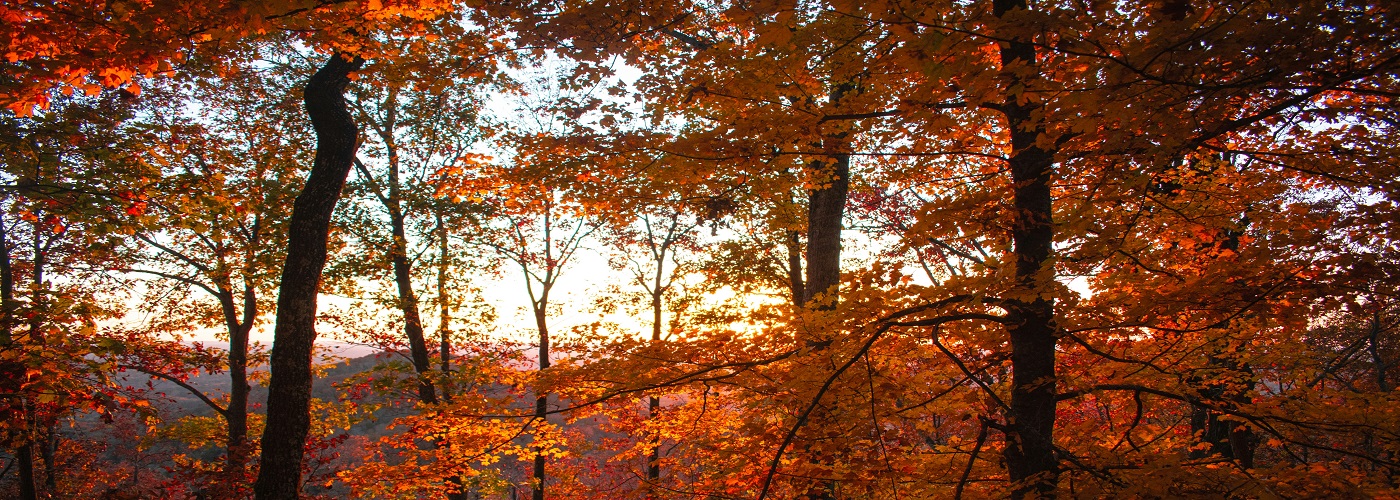

Across the Northern Hemisphere, autumn
forests transform into brilliant shades of yellow, orange, and red.
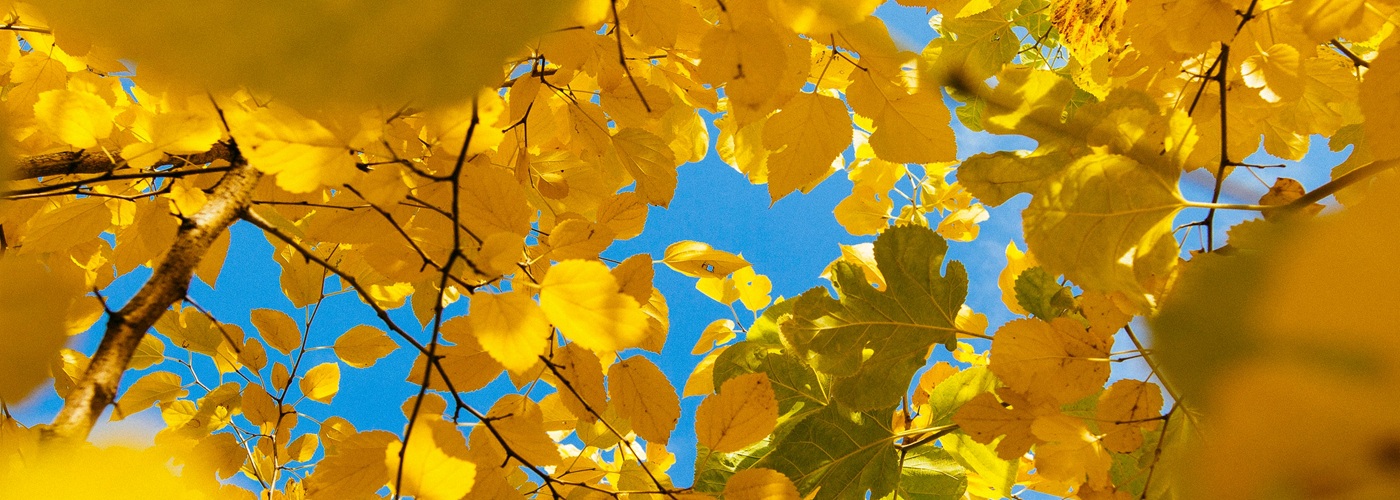
Yet the colors vary by region. European trees are often dominated by
yellow foliage, while forests in North America and East Asia are
known for their vivid red leaves. A theory published in the journal
New Phytologist suggests the difference may have roots
stretching back about 35 million years.
As autumn approaches,
trees break down chlorophyll, the green pigment responsible for
photosynthesis. Yellow pigments already present in leaves then become
visible. Red leaves form differently because trees actively produce
anthocyanins, pigments that were not previously abundant. Researchers
have suggested that anthocyanins may protect leaves from light and
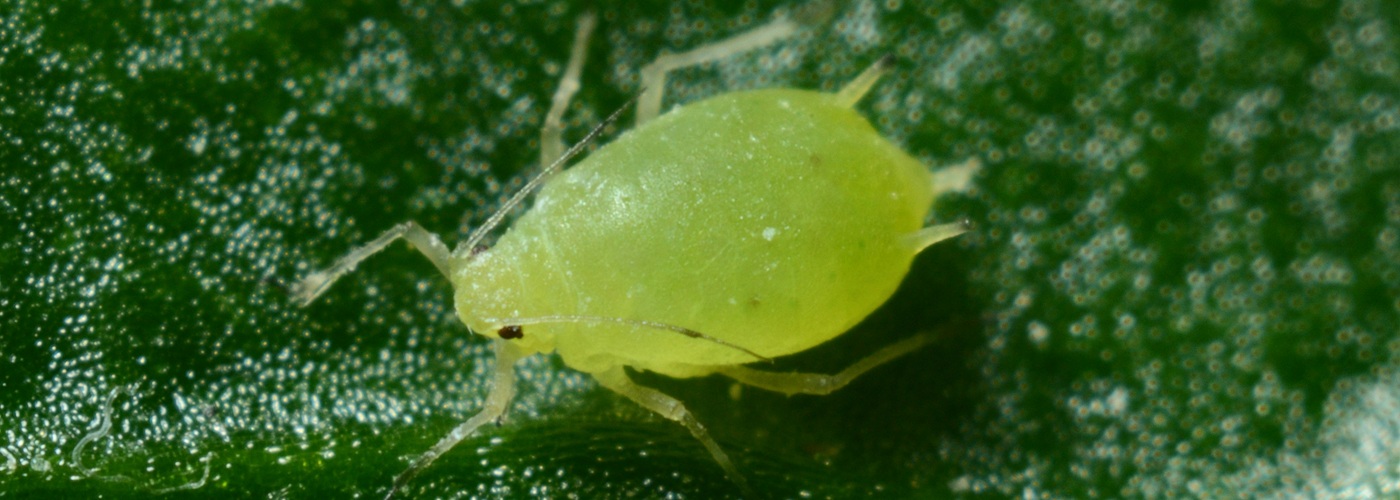
cold stress or discourage insects such as aphids, which are attracted
more strongly to yellow leaves.
The theory proposes that
ancient climate changes played a major role in determining where this
defense remained useful. During repeated ice ages, north-south
mountain ranges in North America and East Asia allowed trees and
their insect enemies to migrate as conditions changed. Their
evolutionary competition therefore continued.
Europe's
east-west mountain ranges, including the Alps, restricted such
migration. Many trees and the insects that depended on them died out
during severe cold periods. When forests later recovered, surviving
European trees faced fewer insect threats and may have had less
reason to expend extra energy on producing red pigments.
Evidence
supporting this theory may come from Scandinavian dwarf shrubs, which
survived beneath protective snow along with their insect pests,
allowing their evolutionary relationship to continue. Thus, today's
autumn colors may reflect ancient battles between plants, insects,
climate, and geography.


 Paul Trambley
 Derek Heit
 Jennifer Wojcicki
 Laura Lockwood
 Ray Miller