Meet the Meteorologist
What's your favorite weather phenomena?
What got you interested in the weather?
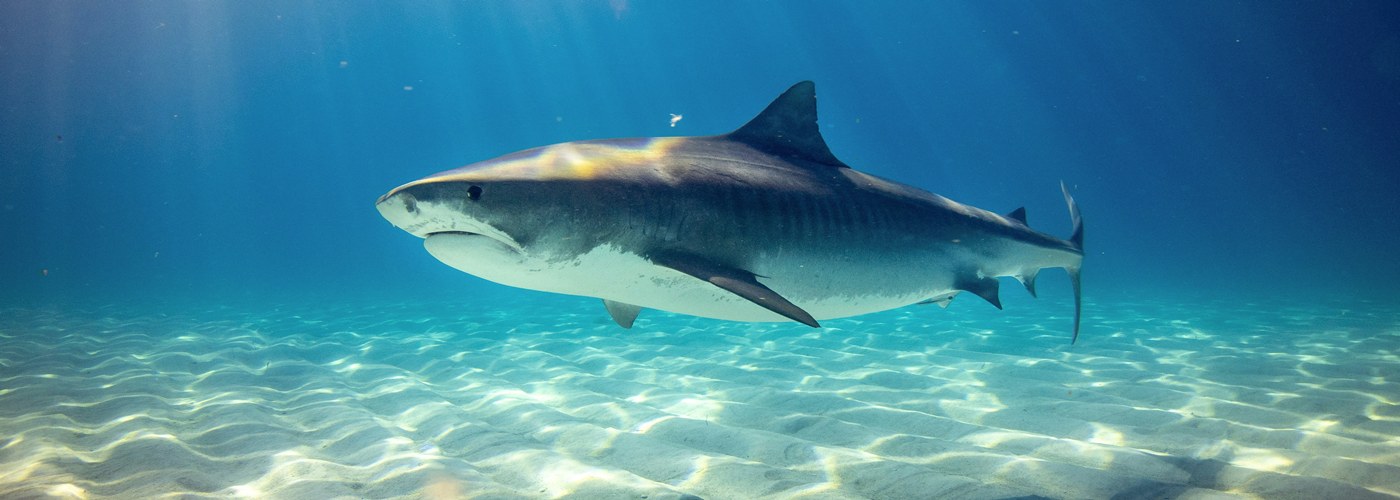

Sharks may offer scientists an
unexpected way to improve seasonal climate forecasts. A study
published in npj Climate and Atmospheric Science found that
temperature and depth measurements collected by electronically tagged
sharks improved ocean forecast accuracy, reducing errors by as much
as 40% in some dynamic regions of the Northwest Atlantic.
The
research was led by Laura H. McDonnell, a postdoctoral investigator
at Woods Hole Oceanographic Institution, who conducted the study
while pursuing her doctorate at the University of Miami Rosenstiel
School of Marine, Atmospheric, and Earth Science.
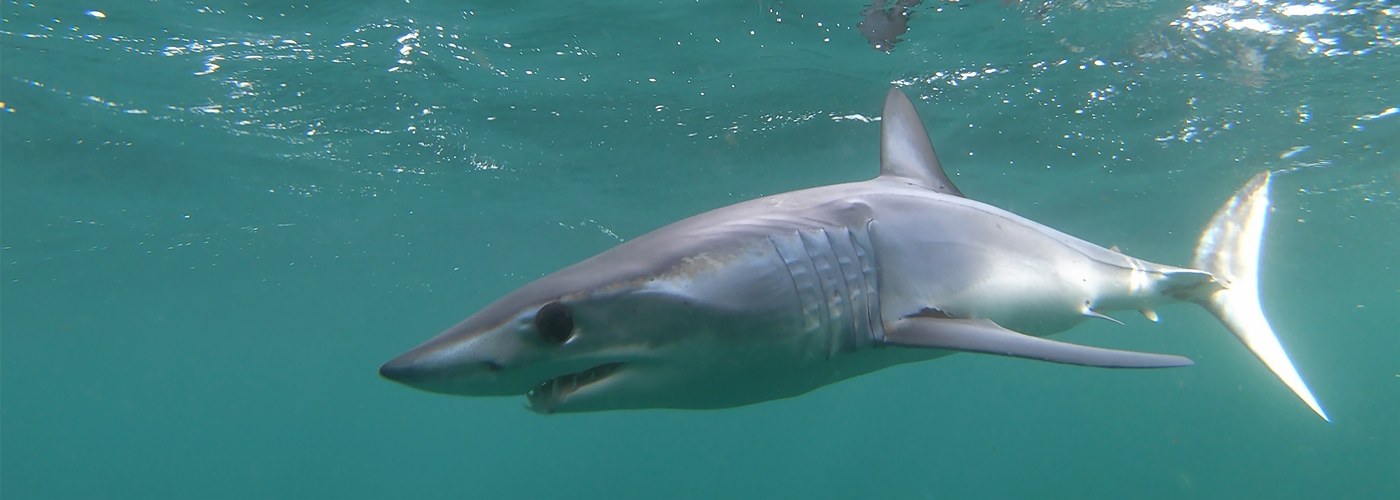
Researchers tagged 18 blue sharks and
one shortfin mako shark, equipping them with electronic sensors that
recorded water temperature, depth, and location. Over six months, the
sharks transmitted more than 8,200 temperature-depth profiles,
including measurements from depths approaching 2,000 meters (6,500
feet).
These observations provided valuable
information from areas that conventional monitoring systems can
struggle to cover. Sharks frequently travel through dynamic ocean
features, including fronts and eddies, where water temperatures and
currents change rapidly.
The researchers incorporated the
shark-collected measurements into a seasonal climate model and
compared its performance with forecasts produced without the
additional data. Including the observations improved forecast
accuracy, particularly in coastal and continental shelf regions.
The findings represent the first
experimental integration of animal-borne sensor data into a seasonal
climate model to measure its effect on forecasting performance.
Although sharks will not replace
satellites, research vessels, or other ocean-monitoring technologies,
their movements could complement existing systems by providing
observations from otherwise under-monitored locations and depths.
More accurate ocean forecasts could
benefit fisheries management, marine operations, and coastal
communities by reducing uncertainty about changing conditions.
Further research will determine whether the approach can be expanded
across additional regions and forecasting systems.
 Paul Trambley
 Derek Heit
 Jennifer Wojcicki
 Laura Lockwood
 Ray Miller